Viral Content Statistics 2026: Sharing Behavior, Engagement Data & What Drives Virality
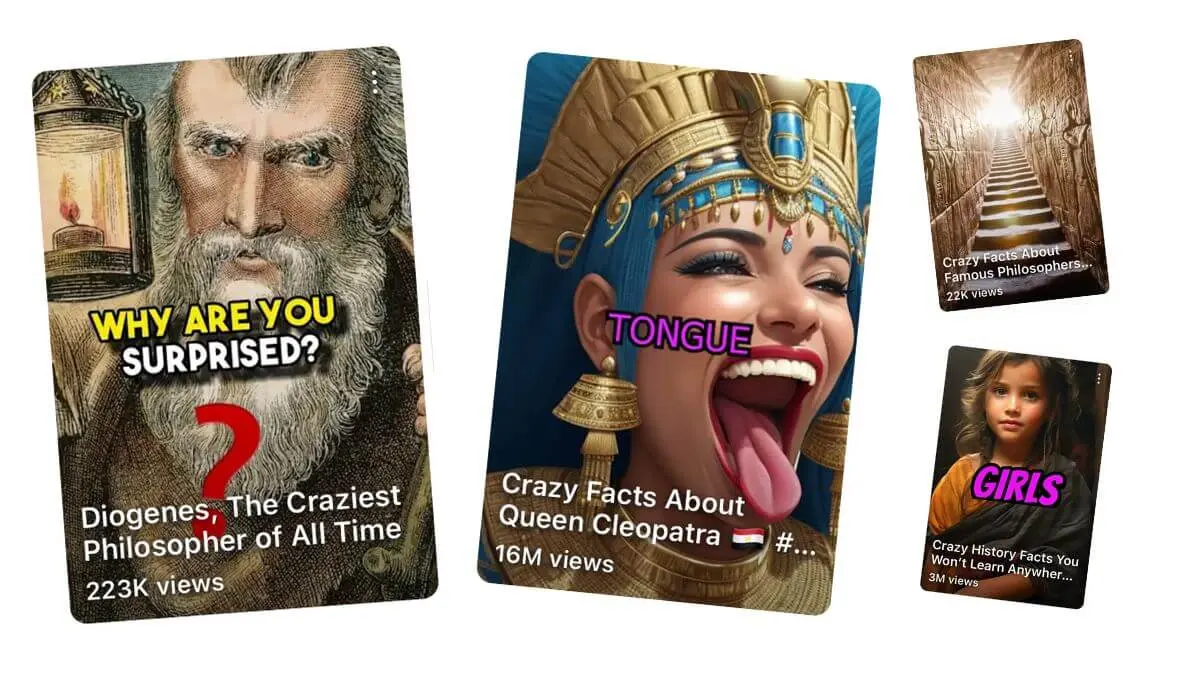
Content that evokes high-arousal emotions gets shared 20% more than neutral posts, while 72% of social shares come from emotional reactions rather than logical evaluation. Videos under 60 seconds generate 3x more engagement than longer formats, humorous posts earn 30% more shares, and user-generated content campaigns increase engagement by up to 28%. In 2026, virality has shifted from mass-reach explosions to community-driven sharing, with most viral distribution now happening through private messages rather than public feeds.
Going viral is no longer an accident—it's increasingly a science backed by behavioral psychology, algorithm mechanics, and format optimization. The rules governing virality in 2026 look different from even two years ago. Platforms have restructured their distribution algorithms to prioritize interest-based recommendations over follower-based feeds, meaning any piece of content can reach millions regardless of the creator's audience size. Facebook now serves up to 50% of content from accounts users don't follow, and TikTok's recommendation engine has always operated this way.
But algorithm mechanics tell only half the story. The human psychology driving sharing behavior determines which content escapes algorithmic distribution into genuine viral spread. Research consistently shows that emotional intensity—not polished production—triggers sharing. High-arousal emotions like awe, amusement, anger, and excitement drive significantly more shares than low-arousal states like contentment or sadness. The shift toward authenticity means over-edited, corporate-feeling content is actively penalized by both algorithms and audiences.
These 17 statistics cover emotional sharing triggers, format performance benchmarks, platform-specific virality mechanics, audience behavior patterns, and content characteristics that maximize shareability—providing a data-backed framework for creating content designed to spread.
1. 72% of social shares come from emotional reactions, not logic
A study published in the Journal of Consumer Psychology found that 72% of social media shares are driven by emotional reactions rather than logical evaluation. People share content that makes them feel something—awe, amusement, anger, surprise—not content that presents rational arguments. This finding upends corporate content strategies built on feature lists and logical persuasion, confirming that emotional resonance is the primary viral mechanism. Source: Academy of Continuing Education / Digital Dreamworks Studio
2. High-arousal emotional content gets shared 20% more than neutral posts
Posts evoking high-energy emotions like excitement, awe, or anger receive 20% more shares than emotionally neutral content. The key differentiator is arousal intensity—both positive emotions (awe, amusement) and negative emotions (anger, anxiety) drive sharing when they create high physiological arousal. Low-arousal emotions like contentment or sadness suppress sharing behavior, regardless of whether the sentiment is positive or negative. Source: MarTech Viral Content Science / Karnavati University Psychology
3. Videos under 60 seconds generate 3x more engagement than longer videos
Short-form videos under 60 seconds receive three times more engagement than their longer counterparts across TikTok, Instagram Reels, and YouTube Shorts. This engagement premium stems from higher completion rates, lower friction for repeat viewing, and the format's compatibility with mobile-first consumption patterns. Two out of three consumers (approximately 66%) identify short-form video as the most engaging content type available. Source: Planable Social Media Statistics / Yaguara Short Form Statistics
4. Awe-inducing content receives 30% higher shares on TikTok
Posts eliciting awe—content that inspires wonder, amazement, or a sense of vastness—experience up to 30% higher share rates on TikTok compared to content triggering other emotional responses. Awe is unique among emotions because it creates a psychological need to share the experience with others, making it one of the most reliable viral triggers. Nature footage, extraordinary achievements, and mind-bending visual effects are common awe triggers. Source: Academia Research Paper / Simon Kingsnorth Psychology
5. Humorous posts earn 30% more shares than serious content
Content incorporating humor generates 30% more shares than serious or straightforward posts. Humor creates positive emotional arousal and social bonding—when people share funny content, they're signaling their personality and building social connections. This doesn't mean all content should be comedic, but it confirms that incorporating unexpected humor, relatable observations, or playful elements meaningfully improves shareability. Source: Digital Dreamworks Studio / ComGroup Viral Psychology
6. Surprising content gets 25% more clicks than predictable posts
Content that violates expectations and delivers genuine surprise receives 25% more clicks than predictable material. The brain's novelty detection system creates an attention spike when expectations are broken, translating into higher engagement. This explains the effectiveness of counterintuitive statistics, unexpected visual reveals, plot twists in short videos, and "wait for it" content formats that subvert viewer assumptions. Source: Digital Dreamworks Studio Sharing Psychology / Academy of Continuing Education
7. User-generated content campaigns boost engagement by up to 28%
UGC campaigns increase engagement by up to 28% and are significantly more likely to go viral compared to brand-produced content. The authenticity signal of user-generated content—real people sharing genuine experiences—bypasses the skepticism audiences apply to polished brand messaging. In 2026, brands intentionally moving away from overly produced content and embracing imperfections, natural pacing, and raw aesthetics are seeing higher viral potential. Source: Bloghunter Viral Content Tips / Hootsuite Social Trends
8. Narrative-driven posts boost engagement by 18% over standard ads
Posts structured around stories and narratives generate 18% higher engagement compared to straightforward promotional content. Narrative arcs—with setup, tension, and resolution—activate the brain's story-processing networks, creating emotional investment and sustained attention. This engagement premium applies across all content formats, from 15-second TikToks with mini-narratives to longer YouTube stories. Source: Digital Dreamworks Studio / ComGroup Psychology
9. 71% of viewers decide within the first few seconds whether to keep watching
Seven in ten viewers make their stay-or-scroll decision within the first few seconds of a video, making opening hooks the single most critical element of viral content. This snap judgment is driven by pattern recognition—viewers assess production quality, relevance, and emotional promise almost instantaneously. The practical implication is that the first 3 seconds need to deliver a hook strong enough to override the instinct to scroll. Source: Marketing LTB Short Form Statistics / SimpleBeen Video Statistics
10. Facebook now serves up to 50% of content from accounts users don't follow
Facebook has shifted from a friend-based to an interest-based algorithm, with up to 50% of feed content now coming from accounts users don't follow. This mirrors TikTok's content-first distribution model and represents a fundamental restructuring of how viral reach works. Creators no longer need large followings to reach massive audiences—content quality and engagement signals determine distribution regardless of follower count. Source: StoryChief Algorithm Guide / ContentStudio Algorithm Tips
11. Short-form video delivers 2.5x more engagement than long-form content
Short-form videos generate 2.5 times more engagement than long-form videos across social platforms, driven by higher completion rates, easier resharing, and the format's alignment with mobile consumption habits. Platform-specific rates vary: TikTok leads with 2.80% average engagement, compared to Instagram Reels at 0.65% and YouTube Shorts at 0.30%. The engagement premium makes short-form the default format for viral-optimized content. Source: Social Insider Video Statistics / Marketing LTB Statistics
12. 70% of viral content capitalizes on micro-moments
In 2026, 70% of viral content capitalizes on micro-moments—the brief instances when users turn to their devices for quick answers, inspiration, or entertainment. These micro-moments create high-intent attention windows where content consumption leads naturally to sharing. Content optimized for micro-moments delivers immediate value: a quick tip, an instant emotional reaction, or a rapid visual payoff. Source: Bloghunter Viral Content Tips / Metricool Social Media Trends
13. Average users engage with 6-7 different platforms per month
The average social media user now engages with 6-7 different platforms monthly, creating a multi-platform distribution landscape for viral content. This platform proliferation means viral content rarely stays contained on one platform—successful content migrates across TikTok, Instagram, YouTube, X, Facebook, and messaging apps. Creators who format content for cross-platform distribution maximize viral potential by meeting audiences wherever they consume. Source: Hootsuite Social Trends / Planable Social Media Statistics
14. 50-60 second Shorts achieve 76% completion rate—highest of any length
YouTube Shorts between 50-60 seconds achieve the highest average completion rate at 76%, outperforming both shorter and longer formats. Overall, 30% of short videos maintain a watch rate above 81%. Completion rate directly feeds algorithmic distribution—platforms interpret high completion as a quality signal and reward the content with broader reach. This data suggests the optimal short-form length is longer than most creators assume. Source: Social Insider Benchmarks / Marketing LTB Statistics
15. Watch time, likes-per-reach, and sends-per-reach are the top 3 ranking signals
The three most influential ranking signals across major platforms in 2025-2026 are watch time (highest priority), likes per reach, and sends per reach. This hierarchy reveals that platforms now prioritize content people actually consume fully (watch time) and share privately (sends) over public engagement metrics like comments. The sends-per-reach signal specifically measures private sharing—the new frontier of viral distribution. Source: Hootsuite Social Trends / StoryChief Algorithm Updates
16. Most viral sharing now happens privately through direct messages
A major shift in 2026: the majority of viral content sharing now occurs through private channels—direct messages, group chats, and messaging apps—rather than public feeds. This "dark social" distribution means traditional viral metrics (public shares, retweets) undercount true virality. Platforms have responded by making sends-per-reach a primary algorithmic signal, rewarding content that people forward privately to friends. Source: Ad Age Going Viral 2026 / Hootsuite Social Trends
17. Authenticity beats polish—imperfect content signals trust in 2026
Winning brands and creators are intentionally moving away from overly polished social content, with imperfections, natural pacing, and even occasional typos signaling authenticity that audiences trust. Over-editing is out. This trend accelerated as audiences developed pattern recognition for AI-generated and corporate content, driving preference toward material that feels human and unscripted. Ironically, creating content that looks effortless requires understanding what audiences read as genuine. Source: Hootsuite Social Trends / Slate Teams Social Trends
The New Science of Virality: What the Data Demands
Emotion engineering is content strategy. The 72% emotional-sharing statistic isn't a suggestion—it's a design principle. Every piece of content created for viral potential needs an identifiable emotional target: awe, humor, surprise, anger, or excitement. Low-arousal emotions kill sharing. The practical application is auditing each piece of content before publishing: "What specific emotion will this trigger, and is it high-arousal enough to drive sharing?"
The first 3 seconds determine everything. With 71% of viewers deciding within seconds whether to continue watching, the opening hook carries more weight than the rest of the video combined. Data shows that pattern interrupts, unexpected visuals, provocative questions, and immediate value statements perform best. The biggest mistake creators make is slow builds—audiences scroll before the payoff arrives.
Private sharing is the new viral mechanic. The shift from public sharing to direct message forwarding fundamentally changes how virality works. Content optimized for "I need to send this to someone" moments—inside jokes, highly relatable observations, genuinely useful tips—outperforms content designed for public performance sharing. Platforms now measure and reward this private distribution, making DM-forward-ability a critical content design criterion.
Short-form dominance is structural, not trendy. The 3x engagement premium for sub-60-second videos and 2.5x engagement advantage over long-form content reflect how mobile consumption has permanently reshaped attention patterns. The 76% completion rate for 50-60 second Shorts suggests optimal viral content isn't the shortest possible—it's the length that delivers complete emotional arcs without testing viewer patience. Quality density—maximum impact per second—is the metric that matters.
Algorithm democratization creates opportunity. Facebook showing 50% non-follower content and TikTok's content-first model mean follower count is less important than ever. Any creator can reach millions if their content quality merits algorithmic distribution. This democratization particularly benefits new creators and those building faceless channels—where content quality, not personal brand recognition, determines reach.
Create content engineered for virality
Most creators guess at what might go viral. The data shows exactly what works: emotional hooks, short formats, authentic aesthetics, and content designed for private sharing. The gap isn't knowledge—it's production capacity. Creating enough content to find viral hits requires volume most creators can't sustain manually.
→ Try AutoFaceless Free and produce the volume of short-form content needed to find viral moments consistently. With short-form videos delivering 3x more engagement and algorithms rewarding consistent publishers, production capacity is the competitive advantage.
Join 5,000+ creators who are scaling their content output to maximize viral probability through consistent, high-quality short-form video production.
Start Creating Viral-Ready Content →
Trusted by creators who turn content volume into viral momentum